|
THE JOINT
Your weekly dose of RA wellness
The Nutrition Edition
|
|
|
So… What’s the Deal With Your Gut?
If you’ve ever looked into gut health for RA, you’ve probably come away with more questions than answers.
Some sources make it sound like the missing piece.
Others say it doesn’t matter.
So what’s true?
Early in my diagnosis, I went all in on gut health.
I read and tried anything that claimed to help rheumatoid arthritis.
I was consistent. Measuring, tracking, waiting.
Most of it did nothing.
Other than inflate my grocery bill and drain my wallet.
But through elimination and experimentation, I did find what worked for me. A small number of foods and supplements stood out. Those became my foundation.
Will they work for you?
I don’t know.
What I can do is share what I’ve learned through trial and error, along with what the research shows and how to apply it in a realistic way.
This is not a cure, and it’s not fully proven. But there’s enough signal in the research to make it worth understanding.
So let’s walk through what’s happening in the gut, how it may connect to RA, and what’s worth trying.
|
|
|
|
|
- How your gut connects to inflammation
- What’s solid and what’s still unclear
- What’s worth trying vs what to skip
- A simple way to test this for yourself
|
|
|
|
What’s Happening in Your Gut
Your gut is one of the main places your immune system interacts with the outside world.
Inside it:
- Bacteria interact with immune cells
- Your gut lining acts as a barrier
- Signals constantly influence inflammation
When this system is balanced, immune responses stay more regulated.
When it’s disrupted, inflammatory signaling can increase.
This is what people are referring to when they talk about the gut–joint connection.
The visual below breaks this down simply.
|
|
|
Where the Evidence Stands
The internet tends to exaggerate this topic, so here’s what the research shows:
People with RA have a different gut microbiome than those without it.
Some of these changes may even appear before symptoms begin.
Certain bacteria are linked to immune pathways involved in RA, and in some cases, the immune system appears to react directly to bacterial components.
Most of the research related to RA comes from probiotic supplements.
Some studies show:
- Reduced in inflammatory markers like CRP
- Changed immune signaling
But:
- Results are inconsistent
- Improvements in symptoms are not reliable
- Overall study quality varies
Fermented foods are much less studied in RA.
In healthy populations, they’ve been shown to:
- Increase microbiome diversity
- Reduce inflammatory markers
This sounds encouraging, but it doesn’t consistently translate into meaningful changes in how people feel.
Support for your microbiome isn’t a primary treatment strategy, but it can be a helpful supporting layer when combined with everything else you’re doing.
Bottom line:
- The gut microbiome is different in RA
- You can influence it
- The impact on symptoms is inconsistent
|
|
|
How to Make This Work for You
According to experts, here’s how to improve your gut health.
Start with your foundation:
- Limit ultra-processed and high-sugar foods
- Eat mostly whole, minimally processed meals
- Prioritize hydration
Keep it simple.
Add supportive foods in small amounts, then monitor how you respond.
Avoid large, inconsistent changes or eliminating everything at once.
Understand what you’re adding.
You’re looking for probiotics (beneficial bacteria) from fermented foods or high-quality supplements.
The easiest way to get probiotics is from fermented foods. Some of these include:
- Kimchi
- Sauerkraut
- Yogurt
- Kefir
These also provide added benefits like nutrients and compounds created during fermentation.
Make sure you're also including prebiotics (which feed beneficial bacteria). These are found in everyday foods like:
- Garlic
- Onions
- Oats
- Beans
- Bananas.
Don’t overthink it. Focus on real food with fiber.
A word of caution. You’ll often see probiotics added to products like yogurts, drinks, and snack foods.
While these can be convenient, some don’t contain the right strains or may be high in sugar.
If you’re not sure how to work this into your day, I’ve included a few simple recipes below to get you started.
If you want to take it a step further, this week’s RA Reset walks you through a simple 3-day gut reset.
|
|
|
Simple Gut-Friendly Recipes
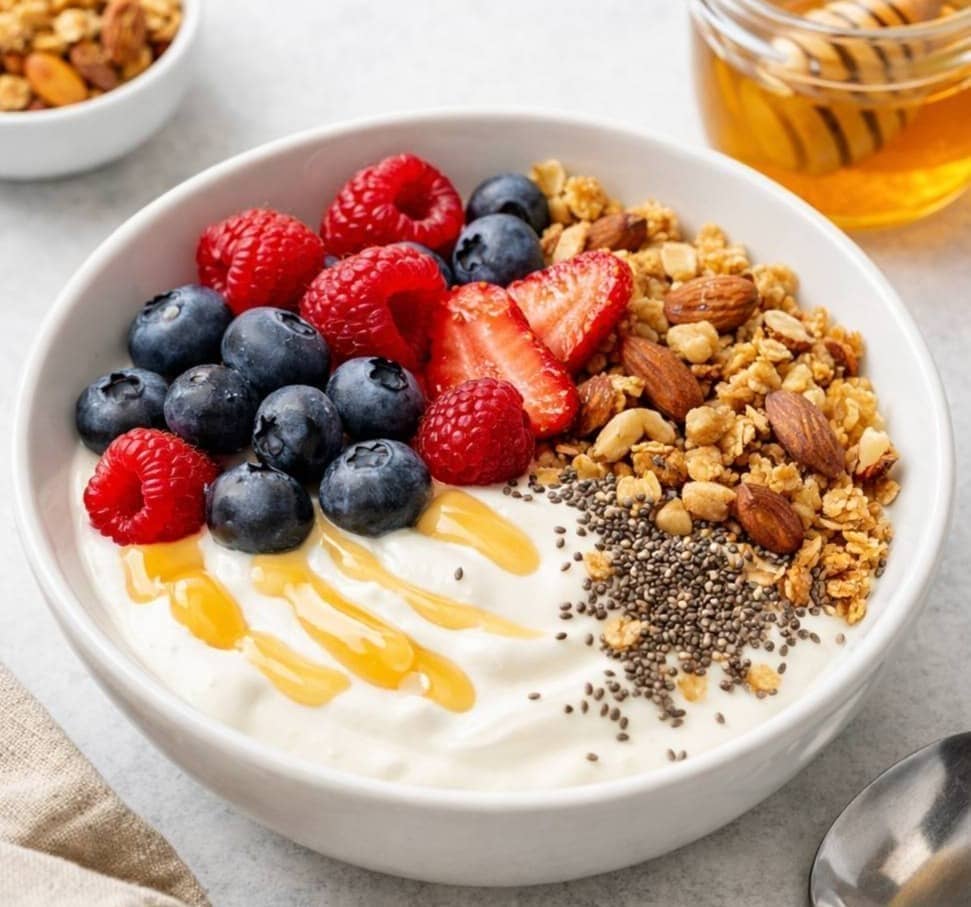
Probiotic Yogurt Bowl
A simple way to add beneficial bacteria without overthinking it.
|
|
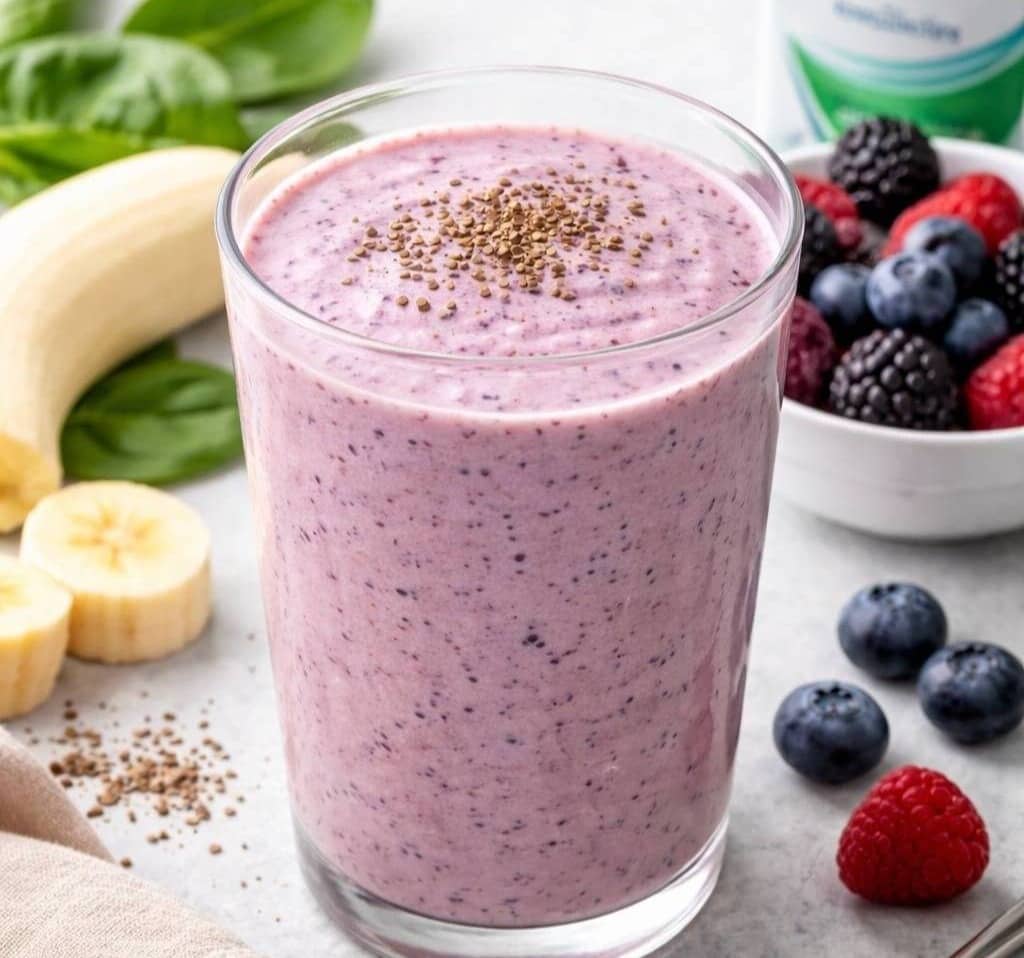
Kefir Smoothie
An easy, drinkable way to add probiotics.
|
|
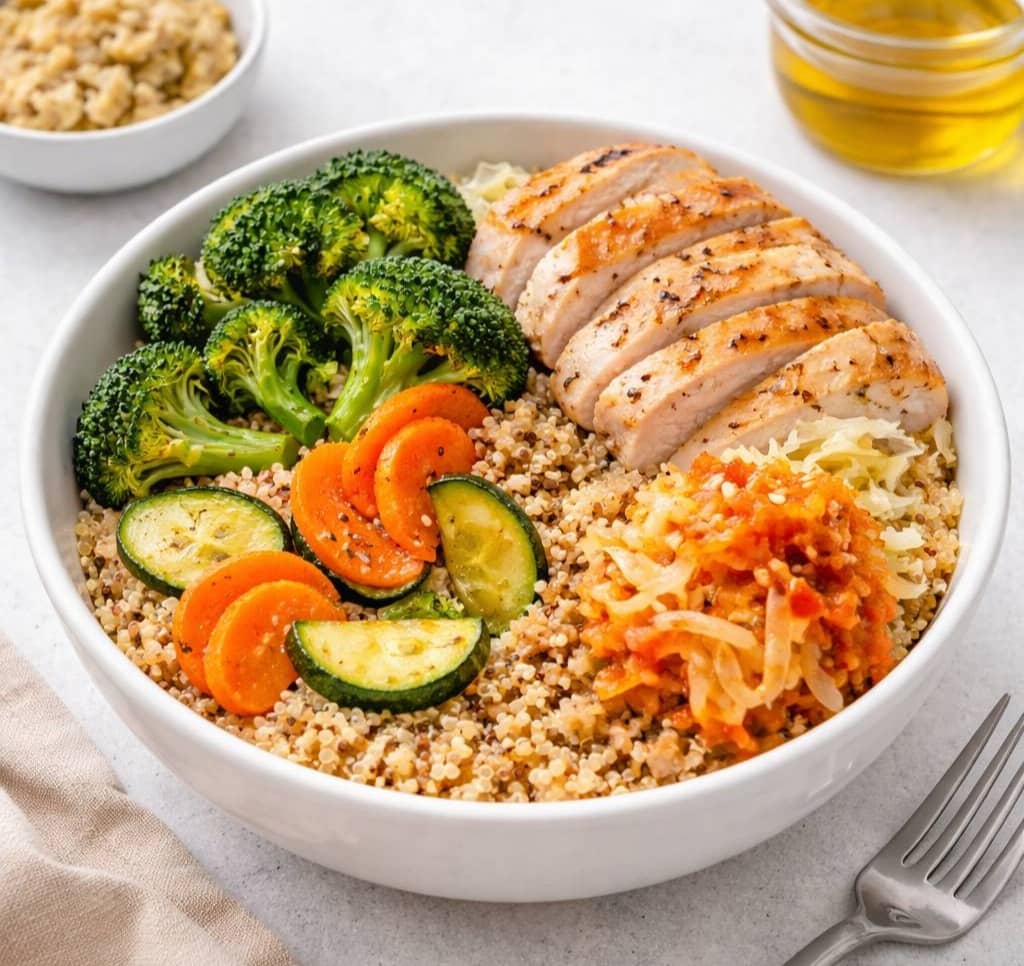
Savory Fermented Bowl
A simple way to add fermented foods to a real meal.
|
|
|
|
3-Day Gut Reset
Before You Start
Grab your basics so this feels easy, not overwhelming:
Day 1 — Reset + Hydrate
- Avoid alcohol, added sugar, and highly processed foods
- Stay well hydrated throughout the day
- Eat simple, easy-to-digest meals
Day 2 — Add Probiotic
Continue Day 1 Habits
Add:
- One probiotic (from fermented food or supplement)
Day 3 — Add Prebiotic
Continue Days 1 and 2 Habits
Add:
- A small serving of a fiber-rich (prebiotic) food
All Three Days
Don’t ignore the basics:
- Sleep
- Movement
- Stress management
Notice:
👉 Grab the full guide, grocery list + meal ideas
|
|
|
|
Key Points |
|
- Gut health plays a role, just not the one the internet makes it out to be
- Probiotics and fermented foods can help, but results aren’t consistent
- Most of the research is on supplements, not everyday foods
- A simple, structured approach beats trying everything at once
|
|
|
|
If this helped you think about gut health in a clearer way, share it with someone navigating RA or autoimmune disease.
I’m working on a deeper dive into gut health that will cover:
- Specific probiotic strains linked to RA
- How to get them through food vs supplements
- What to look for when choosing products
- The best prebiotic foods to support them
I’ll send it your way once it’s ready.
Next week, we’re shifting gears into something that comes up for almost everyone with RA:
Motivation vs Fatigue: How do you stay consistent when your energy isn’t?
We’ll break down:
- Why RA fatigue isn’t just “low motivation”
- Why traditional habit advice doesn’t work
- What to do instead
In the meantime, you can explore past issues of The Joint for more strategies on nutrition, movement, and managing RA.
|
|
|
Forwarded this email? Sign up here
|
|
|
Carrie Bryan, CRNA • RA Wellness Coach
Founder, Joint Ventures RA
JointVenturesRA.com
You’re receiving The Joint because you subscribed at Joint Ventures RA.
Unsubscribe anytime.
|
|
|
|

