I Was Afraid of Nightshades. Here’s What I Learned


THE JOINT

Your weekly dose of RA wellness

The Nutrition Edition

Welcome back to The Joint.

I’ve been thinking a lot about how much there is to talk about when it comes to living well with RA. Nutrition. Movement. Supplements. Mindset. Research. Trying to fit everything into one email every week started to feel rushed and overwhelming.

So I'm changing the flow.

From now on, each week will focus on one topic so we can explore it in more detail. We’ll rotate through nutrition, movement, mindset, and research so nothing gets lost and you actually have time to try things before moving on.

This week is Nutrition Week.

Specifically, we’re talking about nightshades and RA. Tomatoes in particular.

Can you eat them?
If you can’t, what do you use instead?
And how do you know if they’re even a problem for you?

Let’s get into it.

In This Issue

  • A simple breakdown of nightshades and inflammation
  • Tomato-free, anti-inflammatory recipes that still taste good
  • A supplement spotlight on glucosamine and chondroitin
  • One low-pressure nutrition experiment you can actually stick with

Food Focus: Tomatoes, Friend or Foe?

Nightshades come up a lot in the autoimmune world, especially tomatoes. They’re often labeled as inflammatory, but the reality is more nuanced.

Nightshades include tomatoes, peppers, eggplant, and white potatoes. They contain natural plant compounds that help protect the plant. The concern is whether those compounds can contribute to inflammation in some people with autoimmune disease.

There is no strong evidence showing that nightshades worsen rheumatoid arthritis across the board. In fact, studies looking at tomatoes specifically do not consistently show increases in inflammatory markers like CRP or IL-6. Some research even suggests tomatoes may lower certain inflammatory signals.

So where does the controversy come from?

Most of it comes from gut-focused research and individual experience. Some compounds in certain nightshades, particularly potatoes, have been shown in lab and animal studies to irritate the gut lining in susceptible systems. That may help explain why some people with autoimmune conditions feel better when they reduce nightshades, even though this isn’t universal.

This is where personal experimentation is key.

I can honestly say I avoided nightshades for a long time. After looking at the research, I slowly reintroduced them and realized they don’t cause issues for me. I don’t avoid them, but I also don’t center my meals around them.

If tomatoes work for you, there’s no reason to force their removal. If they consistently leave you feeling worse, it’s reasonable to limit them without turning it into a hard rule.

If you’re curious about reducing tomatoes for a bit, having good swaps makes the process feel supportive instead of stressful. That’s exactly what the recipes below are designed to do.

Tomato-Free, Anti-Inflammatory Recipes
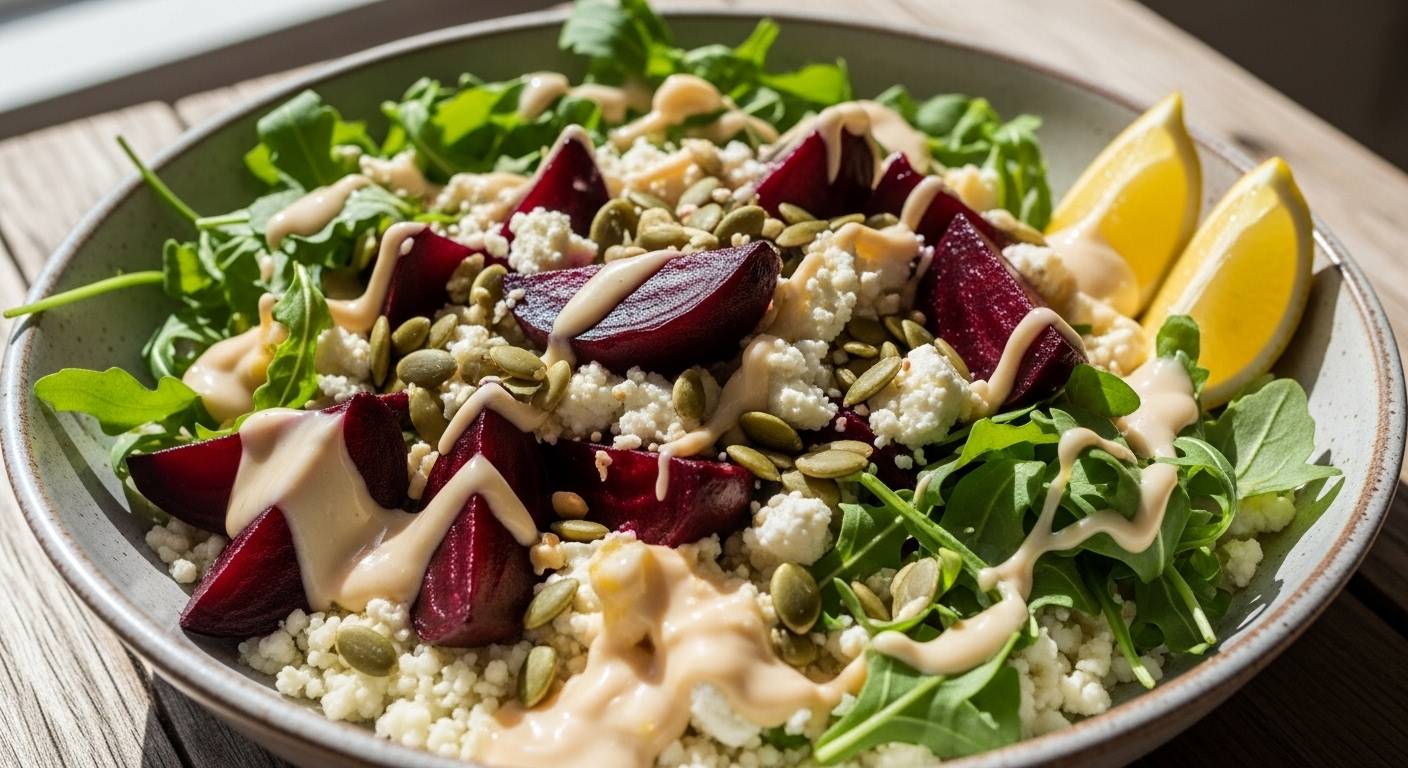
Beet & Pumpkin Seed Power Bowl


A nourishing grain-free bowl using roasted beets for richness and pumpkin seeds for texture.

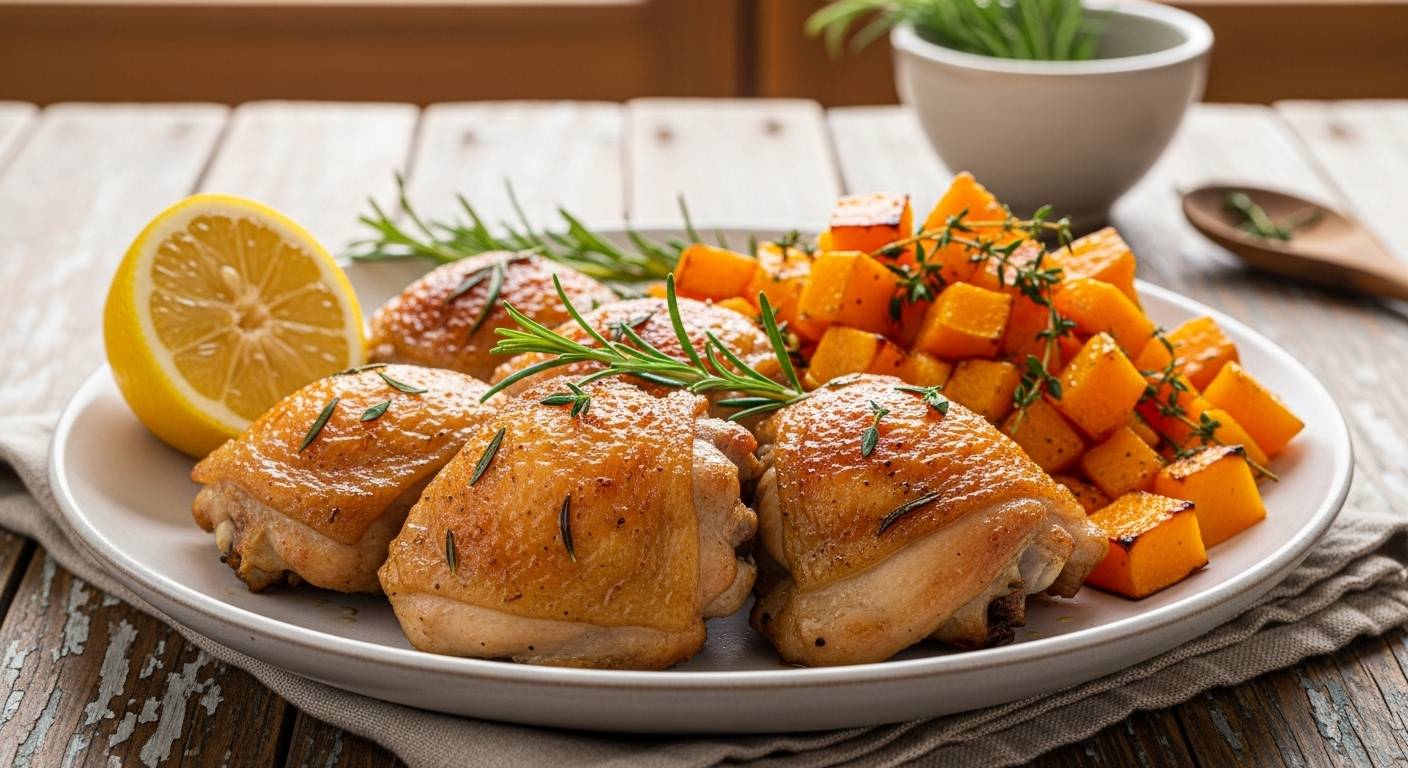
Butternut Squash & Herb Sheet-Pan Chicken


A simple, anti-inflammatory sheet-pan meal using roasted squash for natural sweetness and depth.

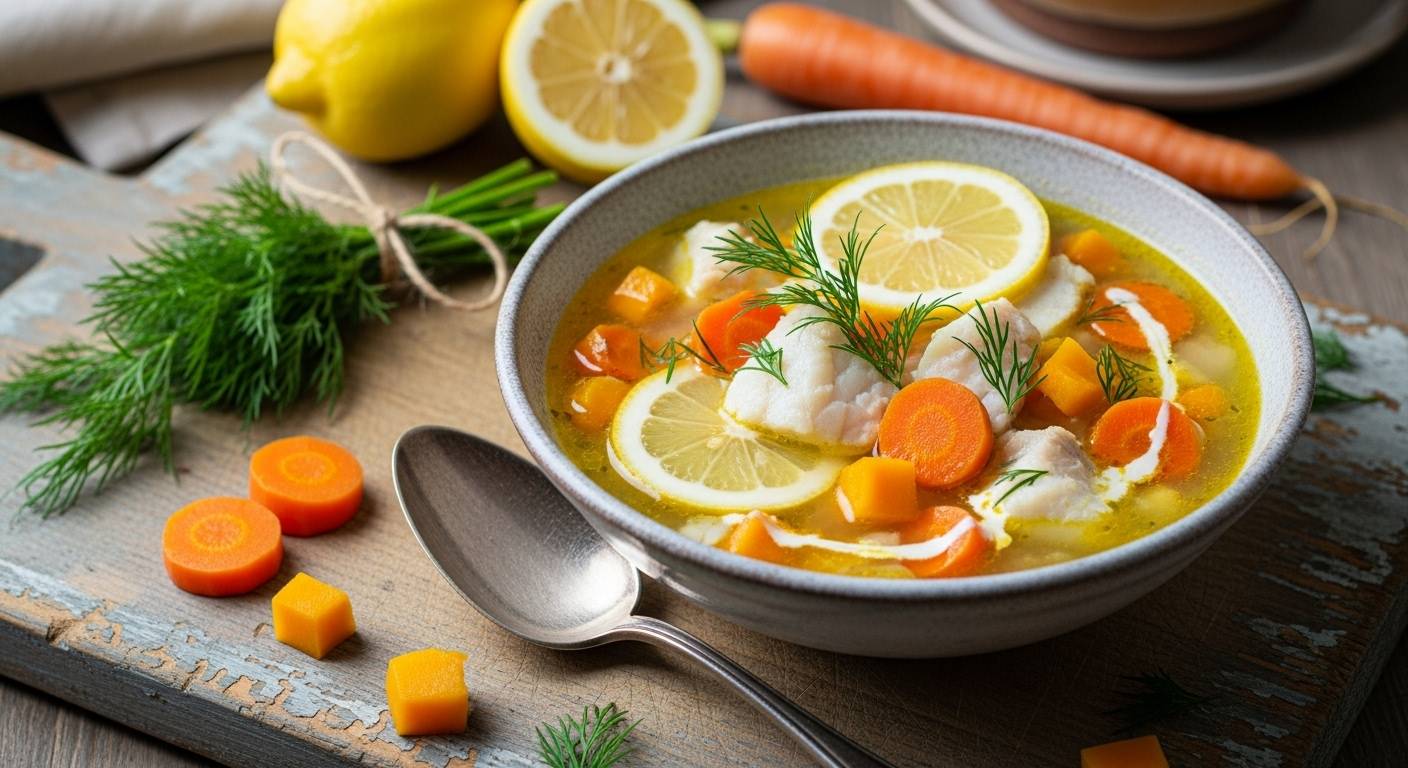
Lemon Dill Fish Soup with Carrots & Squash


A light, anti-inflammatory fish soup that uses carrots and squash to add body and flavor.

Nutrition Challenge

For the next 7 days, try limiting nightshades, especially tomatoes. Notice how you feel.

Use the recipes above when it helps. If you eat tomatoes anyway, that’s fine. This isn’t about restriction. It’s about awareness.

Pay attention to a few simple things:

  • Joint stiffness
  • Energy
  • Digestion

At the end of the week, ask yourself:
Do I feel any different?

Supplement Spotlight: Glucosamine & Chondroitin

Glucosamine and chondroitin are two supplements commonly used for joint health. They’re naturally found in cartilage and are often taken together.

The research is mixed, but some studies suggest they may support joint comfort and mobility in certain people, especially with consistent use over time.

You might consider this supplement if you:

  • Have ongoing joint stiffness or discomfort
  • Are looking for non-pharmaceutical support alongside your current plan

You may want to skip or be cautious if you:

  • Have shellfish allergies (many forms are shellfish-derived)
  • Take blood thinners or have upcoming surgery

This is one of those supplements where personal response matters. Some people notice subtle improvement after a few months. Others don’t.

I go into forms, dosing considerations, safety, and how to evaluate quality in more detail on the website.

Did You Know?

Inflammation isn’t influenced only by what you eat, but also when you eat.

Emerging research suggests late-night meals may worsen next-day stiffness and fatigue in some people with RA, likely due to disrupted circadian rhythms and glucose regulation.

It’s one of those small timing factors that doesn’t get talked about much, but can quietly affect how you feel.

Remember

Nutrition doesn’t need to feel stressful.

RA already asks a lot of your body and your mind. Your food choices don’t need to add to that load. Small adjustments, made with curiosity instead of pressure, tend to last longer and feel better.

Progress doesn’t come from doing everything perfectly. It comes from paying attention and giving yourself some grace.

Weekly Recap

  • Data over fear
  • Swaps over restriction
  • Awareness over perfection
  • Curiosity wins

If this was helpful, feel free to forward it to someone navigating RA or autoimmune health.

You can also explore past issues or dive deeper on the site if you want more support between newsletters.

Forwarded this email? Sign up here

Carrie Bryan, CRNA • RA Wellness Coach
Founder, Joint Ventures RA
JointVenturesRA.com

You’re receiving The Joint because you subscribed at Joint Ventures RA.
Unsubscribe anytime.

JointVenturesRA

Stay Informed. Stay Empowered. Join the Joint Ventures RA newsletter for practical insights on managing Rheumatoid Arthritis with an integrative approach. You'll get expert-backed wellness tips, nutrition guidance, movement strategies, and the latest research—delivered straight to your inbox.

Read more from JointVenturesRA
Woman sitting in bed looking fatigued beside an alarm clock displaying 8:00, with text reading “You Slept 8 Hours. Why Are You Still Exhausted? The science behind RA fatigue, poor sleep, and what actually helps.”

THE JOINT Your weekly dose of RA wellness The Evidence Edition You Slept 8 Hours. Why Are You Still Exhausted? If you’re sleeping and still exhausted, this is why. You go to bed on time. You get your 8 hours. Yet somehow, you wake up feeling worse. By mid-afternoon, you're not just tired. It's that heavy, bone-deep fatigue. Your eyes feel heavy, and your body is moving through molasses. You're counting down the hours until you can get back into bed. Except you can't. I know this one...

Soft, calming yoga scene with a person seated in a relaxed pose, surrounded by a mat, blocks, and candles, representing gentle, approachable movement and a simple way to start exercising.

THE JOINT Your weekly dose of RA wellness The Movement Edition If Movement Feels Impossible, Read This No equipmentNo gymNo perfect day requiredAlmost no motivation needed Last week we talked about motivation, why it feels so hard with RA, and why waiting for it doesn’t work. This week is about what to do with that, without making things harder. If the word “exercise” makes you want to close this email, I get it. With RA, movement isn’t predictable. Some days your body cooperates. Other days...

Mountain image illustrating a layered approach to motivation and energy with rheumatoid arthritis.

THE JOINT Your weekly dose of RA wellness The Mindset Edition Motivation Isn't a Willpower Problem Before RA, motivation was simpler. You didn't feel like doing something. You pushed through. You got it done. With RA, it's no longer just an uphill battle. It's a war on a mountain. “Just try harder” doesn't work anymore, and inspiration isn’t coming to save you. The effort cost of any task rises fast with RA. It's not just “not feeling it” anymore. You're also pushing through fatigue, pain,...