|
THE JOINT
Your weekly dose of RA wellness
|
|
|
Consistency Rules
Happy Wednesday, and welcome to newsletter number 10.
I did not set out to write ten newsletters, but here we are. If you are surprised to still be reading, I am just as surprised to still be writing. I am genuinely grateful you are here.
This feels like the right moment to pause. Not to add more goals, but to notice what is already working. The habits that support your energy and the systems that make life feel a little easier. And what is worth keeping as the year moves on.
By now, most New Year motivation has faded. Life is loud again. Schedules are full. Good intentions are getting crowded out. So the real question is not what you planned to do in January. It is what you are still doing now.
This week is about consistency. Not rigid rules or perfection. Just staying with what helps. Consistency grounded in evidence, whether scientific or personal. The kind that supports your body instead of fighting it.
RA is not one-size-fits-all. It requires experimentation first, then commitment to what actually works. That applies to how you eat, how you move, and how you think.
My goal this week is simple. I want to help you decide what consistency means for you, and what is worth staying with as we move into the back half of January.
|
|
|
Nutrition: Consistency Over Novelty
We all love novelty in our food. New recipes. New plans. New ideas. Eating the same thing repeatedly can feel boring and restrictive.
I say this as someone with a serious case of ADD when it comes to food. I am always looking for a new recipe, a new diet, or a better way to do things. But the lesson I keep learning is that progress comes from consistency, not constant change.
Nutrition for RA is cumulative. You do not need to eat perfectly. You need a few things that work consistently.
Pick one goal. Protein, blood sugar stability, or inflammation support. Then choose one meal you can repeat around that goal.
For example, if lunch is handled every day, that is one less decision to make. One consistent choice covers your base and reduces decision fatigue.
Once something helps your symptoms or energy, consistency beats novelty. The goal is a short list of repeatable meals you can rely on, especially during busy weeks.
Think of these as your nutrition anchors:
- A few meals you genuinely tolerate well
- Protein and anti-inflammatory fats as non-negotiables
- Simple structure over variety when life gets full
Below are three meals designed to support inflammation, stabilize energy, and be easy to repeat without getting old.
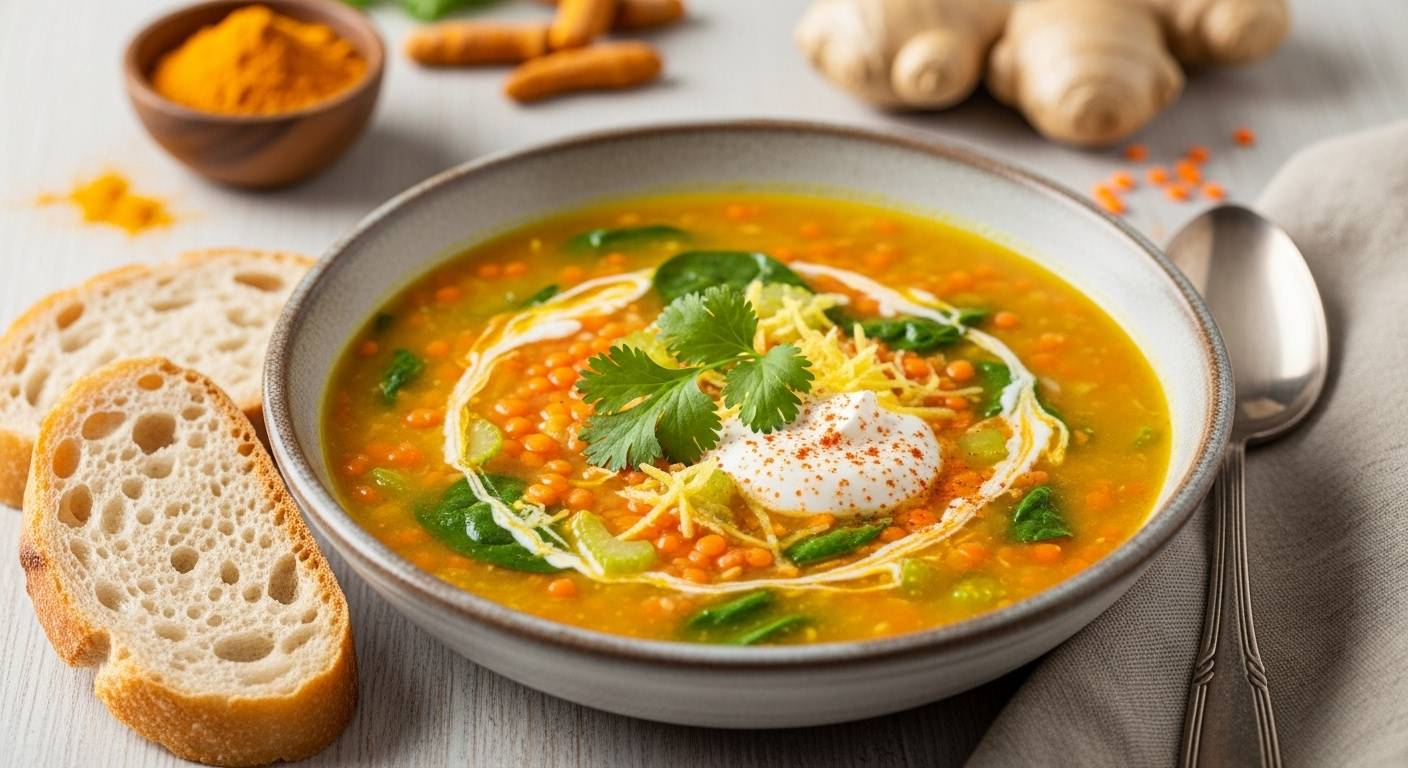
Turmeric Ginger Lentil Soup
A warming, anti-inflammatory lentil soup made with turmeric, ginger, and olive oil. Easy to batch cook, gentle on digestion, and perfect for repeating throughout the week.
|
|
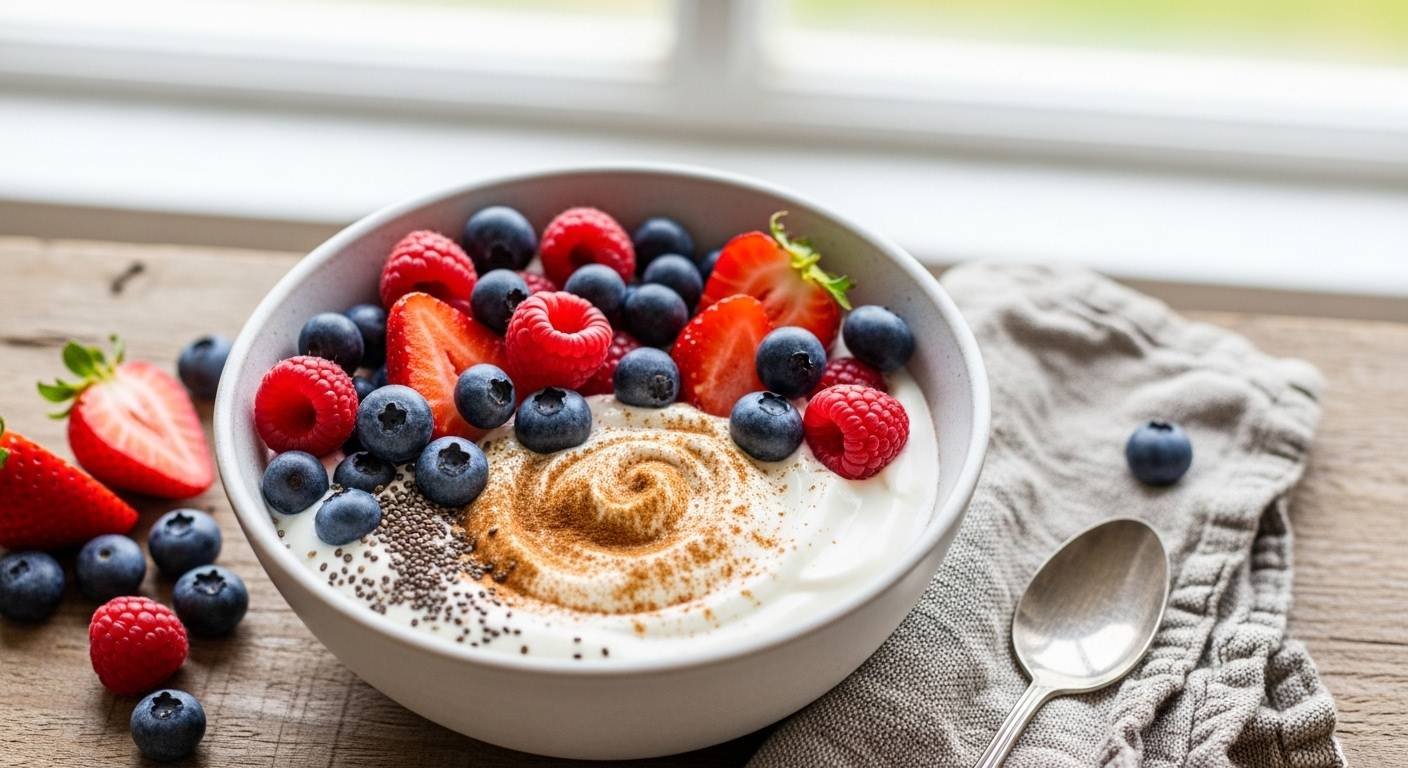
Protein Breakfast Bowl
A high-protein breakfast bowl with a repeatable base that stabilizes blood sugar and reduces morning decision fatigue. Customize flavors without changing the structure.
|
|

Lemon Herb Chicken & Veggies
A simple, protein-dense chicken meal designed for repetition. One decision covers protein needs and supports steady energy during busy weeks.
|
Your Weekly Nutrition Challenge
Choose one meal that works for your body and repeat it consistently this week.
|
|
|
|
Movement: Frequency Is the Win
I get bored with the same workout routine fast. Variety matters. Working different muscles and avoiding plateaus is important.
But here is what the evidence consistently supports, especially for RA. What matters most is not what you do. It is how often you do it.
Low-impact, regular movement performed consistently does more for joints than intense workouts done sporadically. Starting and stopping is harder on your joints than steady effort. The benefits come from frequency, not intensity.
When movement is scheduled, follow-through becomes easier. Your brain expects it. Over time, it turns into a habit instead of a negotiation.
The goal here is not to find the perfect workout. It is to stop workout hopping and build a movement rhythm that is baked into your week.
Activities that tend to work best:
- Walking
- Cycling or stationary bike
- Strength training with moderate loads
- Mobility and range-of-motion work
These are easy to repeat without overwhelm, which allows you to increase frequency without burning out.
If you want help building a schedule, here is a simple prompt you can use in your favorite AI tool:
“I am [ ] years old with a [ ] activity level. I want to move consistently on these days: [ ]. I work out at [ ]. I enjoy [ ]. Help me build a joint-friendly weekly movement schedule focused on consistency that I can realistically stick with.”
If you want something you can plug into your week without overthinking, I have a repeatable RA-friendly workout ready for you.
|
|
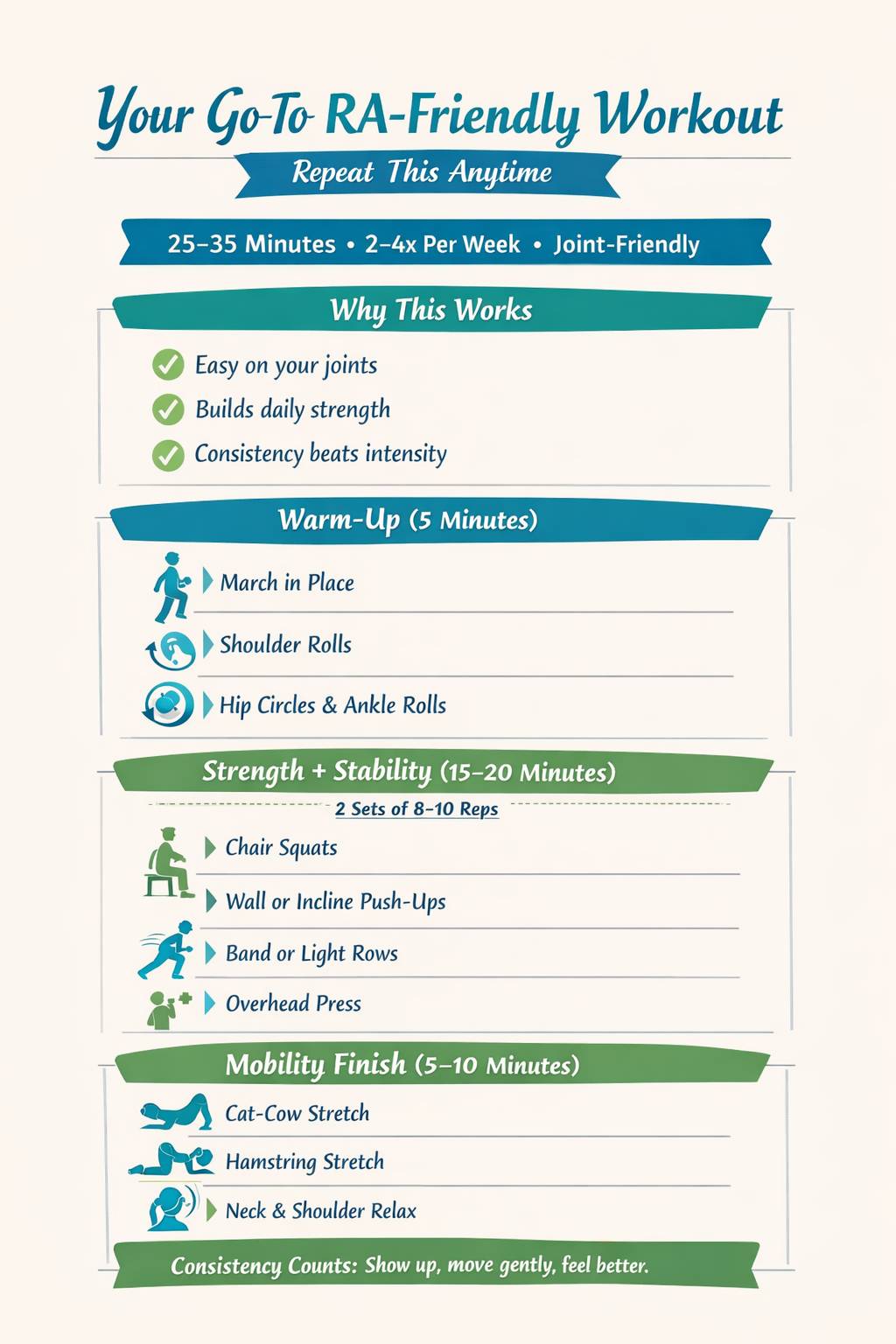
|
What Works for Me
Each week, during my weekly review, I schedule my movement sessions in advance. I keep the time blocks consistent. What I do inside the block can vary. My brain knows movement is happening. I only decide how.
Supplement Support for Movement
Magnesium, especially glycinate or threonate, supports muscle recovery and nervous system regulation, which can make it easier to stay consistent with movement.
Your Weekly Movement Challenge
Schedule one repeating movement block this week. Keep the time consistent. Keep the commitment small. Protect the block.
|
|
|
|
Mindset: The 1% Rule
Most of us are taught that change requires full commitment. One hundred percent effort. Big motivation. Big plans.
That rarely works with chronic illness.
One hundred percent commitment creates pressure, and pressure often leads to stopping altogether.
The 1% Rule offers a different approach. Small actions, done consistently, change trajectory.
If a plane leaves the runway just 1% off course, it does not arrive a little off. It ends up somewhere completely different. That tiny deviation compounds over time.
The same is true here.
With RA, all-or-nothing thinking backfires. Big plans lead to flares. Missed days turn into quitting. The nervous system responds better to predictability than pressure.
Consistency is not about motivation. It is about repetition over time. When something is small enough, your body begins to trust it. The habit becomes easier because it no longer requires convincing yourself to start.
A year from now, your life will look different because of one small thing you kept doing.
Examples of 1% actions:
- Five minutes of movement
- One anti-inflammatory meal
- A consistent bedtime cue
- Two deep breaths before reacting
- Laying out workout clothes the night before
Anyone can give 1% more.
Your Weekly Mindset Challenge
Choose one 1% action you can do daily without resistance.
|
|
|
|
Research & Reset: Why Consistency Lowers Inflammation
Clinical research shows that people with RA who follow structured lifestyle programs see measurable improvements in disease activity and metabolic health. These programs combine nutrition, regular movement, stress management, and sleep hygiene.
It is not one perfect habit that lowers inflammation. It is the predictability of the system.
When sleep, nutrition, and movement are inconsistent, stress hormones remain elevated. That stress dysregulation amplifies inflammatory signaling, which is already heightened in RA.
Predictable routines reduce nervous system load. When your body knows what is coming next, it does not have to stay on high alert.
One of the most effective ways to build consistency is anchoring. Decide what you will do and decide when you will do it. Then link it to something you already do.
Examples:
- When I brush my teeth, I do five squats
- When I make coffee, I take two deep breaths
- When I shut down my laptop, I stretch
Consistency is not about doing more. It is about asking your body to guess less.
Read the study
Your Weekly Research-Backed Reset
Anchor one habit to the same time or cue every day.
|
|
|
|
Your Weekly Recap
|
|
- One helpful meal on repeat
- One repeating movement block
- One 1% action
- One anchored habit
|
Have a topic you want covered or a question you want answered? Hit reply. I read every message.
New here? The Joint is a weekly note on managing energy, reducing inflammation, and living well with RA.
|
|
|
Forwarded this email? Sign up here
|
|
|
Carrie Bryan, CRNA • RA Wellness Coach
Founder, Joint Ventures RA
JointVenturesRA.com
You’re receiving The Joint because you subscribed at Joint Ventures RA.
Unsubscribe anytime.
|
|
|
|

