Loving Travel Without Loving the Disruption
I am traveling with my family to Universal Studios right now, and it’s reminding me of something I both love and struggle with.
I love travel. I enjoy the perspective, the connection, the shared experiences.
I don’t love the disruption.
Traveling with RA can feel like a rollercoaster. Sleep gets interrupted. Movement routines disappear. Meals become irregular. Stress increases. All of that takes a toll on anyone, but it hits harder when you’re managing a chronic disease.
I still travel because my life is bigger than my diagnosis. But I travel differently now. What used to be forgiving, like less sleep, skipped meals, and long days, now adds up quickly. The margin for error is smaller, and the consequences last longer.
This week’s newsletter is about how to travel with RA without letting disruption turn into a flare. Whether you’re about to leave, in the middle of a trip, or coming home and trying to reset, these strategies are meant to help you protect your energy, joints, and nervous system so you can enjoy the moments that matter.
Hello and Welcome to the Joint
I’m Carrie Bryan, CRNA and RA Wellness Coach, and this is your weekly, science-backed guide to living with rheumatoid arthritis without letting it run your life.
Each week, you’ll get:
Nutrition — food & supplement strategies that reduce inflammation and support energy
Movement — realistic, low-impact routines you can maintain even on flare days
Mindset — practical tools to manage stress, fatigue, and decision overload
Research & News — short, relevant breakdowns of current RA studies
Community — insights and stories from others walking this path
Short. Practical. One small step at a time.
Nutrition: Stay Fed, Stay Steady While Traveling
Travel nutrition with RA is less about perfection and more about preparation.
When routines disappear, hunger plus stress leads to desperate food choices that rarely serve your joints, energy, or gut. A little planning before you leave can prevent most of the nutrition decisions that derail you once you're delayed, rushed, or knocked off course.
The goal while traveling is simple:
- Keep blood sugar steady
- Stay hydrated
- Prioritize protein and fiber
When those are in place, inflammation, fatigue, and digestive issues are much easier to manage even when everything else feels unpredictable.
This starts before you ever get to the airport or hit the road.
Hydration Comes First
Travel is dehydrating whether you’re flying or driving. Dehydration increases fatigue, joint stiffness, headaches, and digestive issues.
Simple hydration strategies:
- Always carry a refillable water bottle
- Fill it as soon as you clear security or start your drive
- Set reminders to drink, especially on flight days
- Pair hydration with electrolytes if you tend to cramp or feel depleted
Without hydration, even the best food choices struggle to do their job.
Plan Ahead: Pack Snacks and Easy On-the-Go Meals
Having RA-friendly snacks on hand prevents hunger from making the decision for you.
|
|
Anti-Inflammatory, Travel-Friendly Snacks
(easy to pack, portable, no refrigeration needed)
- Pre-portioned nut and seed packs (almonds, walnuts, pumpkin seeds)
- Low-sugar turkey jerky or clean meat sticks
- Hard-boiled eggs (store-bought or homemade)
- High-quality protein shake packets
- Cut vegetables (carrots, cucumbers)
- Fruit (bananas, apples, berries)
|
Three Easy Low-Prep Nutrition Options
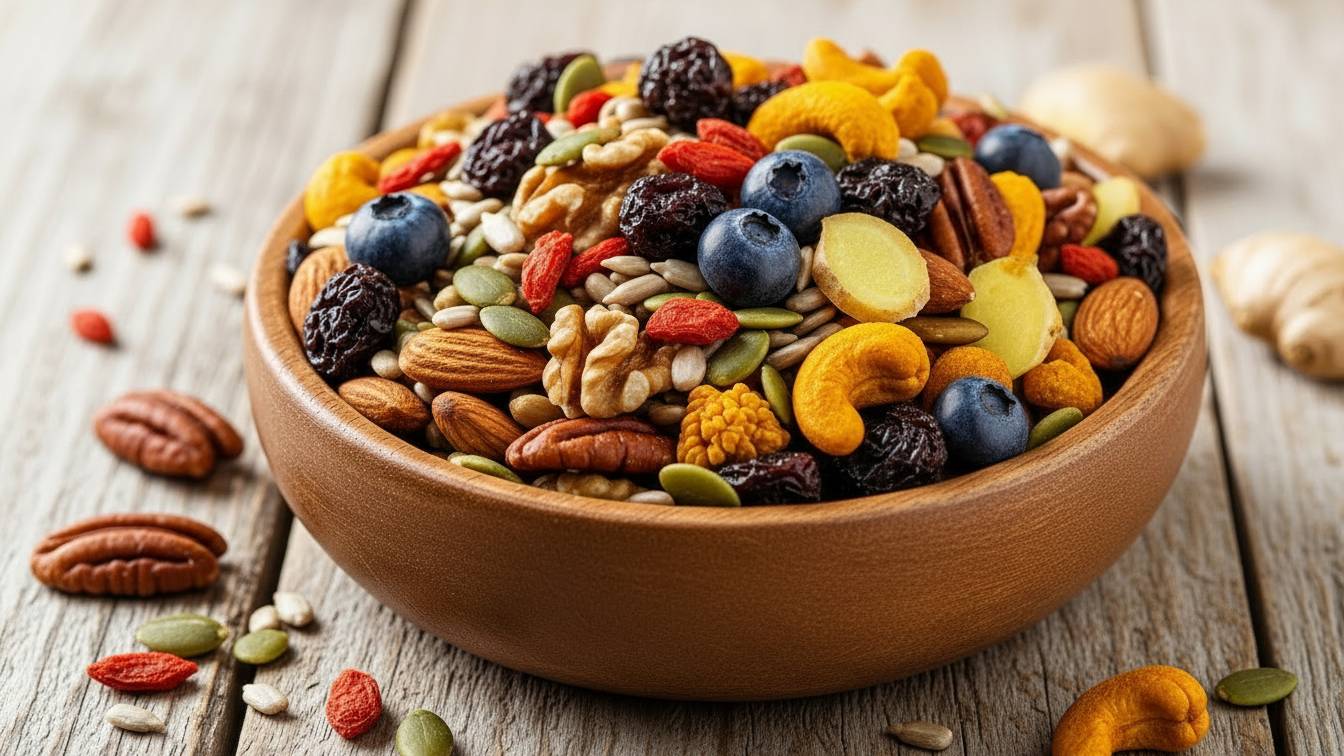
Anti-Inflammatory Trail Mix
A low-sugar mix of protein-rich nuts, seeds, and a small amount of dark chocolate. Skip dried fruit to keep blood sugar steady. Make it once and reuse it for every trip.
View Full Recipe
|
|

Turkey Lettuce Wrap
High-quality turkey with thin cucumber slices or pickles, wrapped in lettuce and stored in a zip-top bag. Portable, protein-dense, and easy on digestion.
View Full Recipe
|
|

No-Bake Protein Bites
Flax seed, chia seed, gluten-free oats, nut butter, protein powder, and a small amount of dark chocolate or honey. High protein, high fiber, and easy to batch-prep before travel.
View Full Recipe
|
Desperate Best Choices
(Airport & fast-food survival mode)
If you’re unprepared and hungry, don’t panic. A little pause and intention go a long way.
When options are limited, look for:
- Fresh fruit or vegetable packs
- Salads with dressing on the side
- Grilled or roasted chicken or turkey
- Plain protein options without heavy sauces
Protein bars should be a last resort. If you choose one, look for nuts, seeds, and natural sweeteners like fruit. Avoid long ingredient lists and added sugars.
Your Weekly Nutrition Challenge:
Pack one protein-focused snack for every travel day this week.
Keep it with you so hunger does not make the decision for you.
Notice how much steadier your energy, mood, and digestion feel when you prepare ahead.
Movement: Keep Joints Moving While You Travel
Travel involves a lot of sitting. Airports, planes, cars, waiting, and more sitting.
For joints that already struggle with stiffness and inflammation, long stretches of stillness can quickly turn into pain. Motion really is lotion for your joints, especially when routines are disrupted.
The goal while traveling is not workouts or progress.
It's circulation.
Gentle, frequent movement keeps joints lubricated, muscles engaged, and prevents stiffness from building. Even small movement breaks can make a noticeable difference later in the day and the next morning.
Think of movement as something you layer into the day instead of executing perfectly.
Simple Ways to Move While Traveling
At the airport
- Walk whenever possible instead of standing still
- Aim for short walks each hour
- Stretch while waiting at the gate
|
|
On the plane or in the car
- Ankle circles and calf pumps
- Gentle knee extensions
- Shoulder rolls and neck stretches
|
Even a few minutes helps reduce stiffness and swelling.
Plan Ahead at Your Destination
A little planning preserves routine without pressure.
Ask yourself:
- Is there a gym or pool where I’m staying?
- Are there walking paths, trails, or easy routes nearby?
- Do I need to bring anything simple with me to move with?
One of my favorite tools is a resistance band. It takes up almost no space and allows for quick, joint-friendly movement anywhere.
Handy Travel Exercises
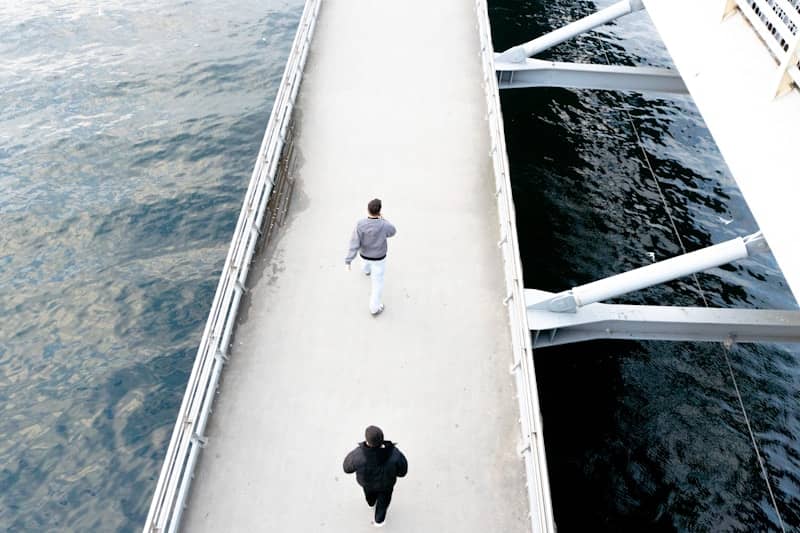
Walking
- Aim for short, frequent walks instead of long sessions
- A good target is about 10 minutes of movement per hour when awake
|
|
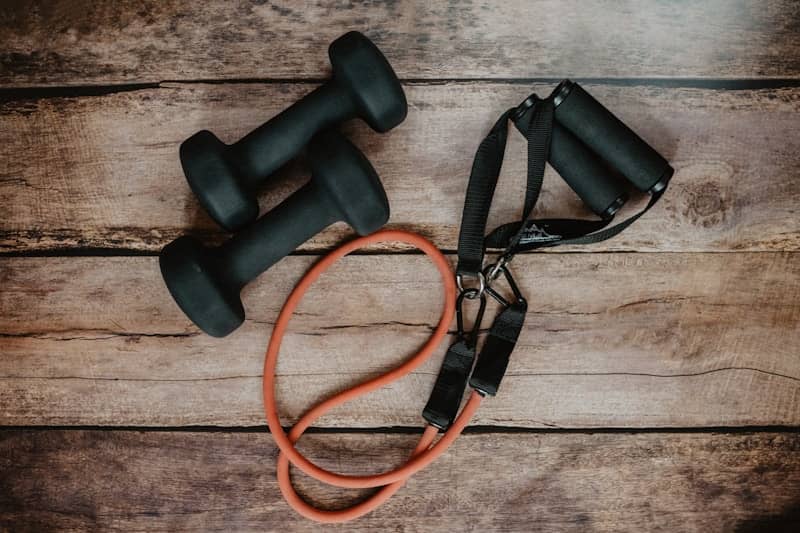
Resistance band exercises
- Rows
- Chest presses
- Squats
- Lateral walks
- Shoulder work
|
|

Travel stretches
- Calves, hips, hamstrings, chest, shoulders
- Gentle stretching before bed can reduce next-day stiffness
|
For more travel exercises and instructions head over to Joint Ventures to learn more
Your Weekly Movement Challenge:
Each day this week, choose one trigger that reminds you to move.
(arriving at your gate, stopping for gas, unpacking at the hotel)
When it happens, do 2–5 minutes of gentle movement.
Small movement, done consistently, adds up.
Mindset: Protect Your Nervous System While You Travel
Travel stress is real. Tight schedules, crowds, delays, and disrupted sleep all increase nervous system load. For people with RA, stress isn’t just emotional. It directly influences pain, inflammation, and fatigue.
Without intention, it’s easy to rush from activity to activity without ever fully enjoying the experience you planned.
Slowing down doesn’t mean missing out.
It means giving your body the safety it needs to actually enjoy where you are.
Simple Ways to Lower Travel Stress
- Arrive earlier than needed when possible
- Build short downtime into each day
- Step away alone when stimulation is high
- Use a mindfulness app or timer to check in
- Ask yourself: Am I rushing the plan or enjoying it?
Your Weekly Mindset Challenge:
Take one intentional travel time-out each day.
Pause for two to five minutes with no phone and no agenda. Sit, breathe, and check in with your body. Small pauses help regulate your nervous system and protect your energy while traveling.
Research & News: Why Disruption Hits Harder With RA
Research shows that disrupted sleep, prolonged sitting, and increased stimulation raise pain sensitivity and inflammatory signaling in people with RA. Travel concentrates all of these stressors into a short window.
Studies also show that brief recovery signals matter. Short movement breaks and nervous system downshifts help regulate stress hormones and reduce flare risk, even when stress can’t be avoided.
Your Weekly Research-Backed Reset:
End each travel day with a nervous system downshift.
Before bed, spend two minutes doing slow breathing or gentle muscle release.
Ending the day calmly helps your body recover even when sleep is shorter or disrupted.
Community
Reader Spotlight (Coming Soon!)
This space is for your stories.
Your Weekly Recap |
|
- Pack protein daily
- Move 2–5 minutes per trigger
- Pause once, intentionally
- Reset before bed
|
If there are topics you want covered or feedback you want to share, hit reply. I read every message.
Read past issues HERE

