Returning to Baseline
If the holidays hit you hard, you are not alone.
Late nights, extra sugar, less structure, and more stimulation all add up to imbalance.
This disruption does not just show up in mood or physique. It shows up in joints, energy, and recovery. I know this because I feel it too. I went a little off the rails over the holidays, and my joints were quick to remind me.
This week is about returning to a sense of balance. Consider it a gentle reset that helps your body feel steady again after a season of excess.
What I am covering this week:
- Stabilizing blood sugar without triggering cravings
- Re-establish movement without burnout
- Resetting your headspace for the year ahead
Let’s get back to baseline together.
Nutrition: A Gentle Sugar Reset
Sugar cravings do not disappear just because the holidays end. Sugary foods disrupt blood sugar and appetite hormones, so cravings and energy dips often linger. For those of us with RA, these swings can increase fatigue, pain sensitivity, and inflammation. When blood glucose is stabilized, cravings decrease naturally.
Instead of rules, focus on these anchors:
- Eat protein first at every meal
- Pair carbohydrates with fat or protein
- Avoid skipping meals
- Reduce added sugars gradually
- Use dinner as your anchor meal and eat it earlier when possible
The three dinners below are designed to support steadier energy without feeling restrictive.
Three Reset Dinners
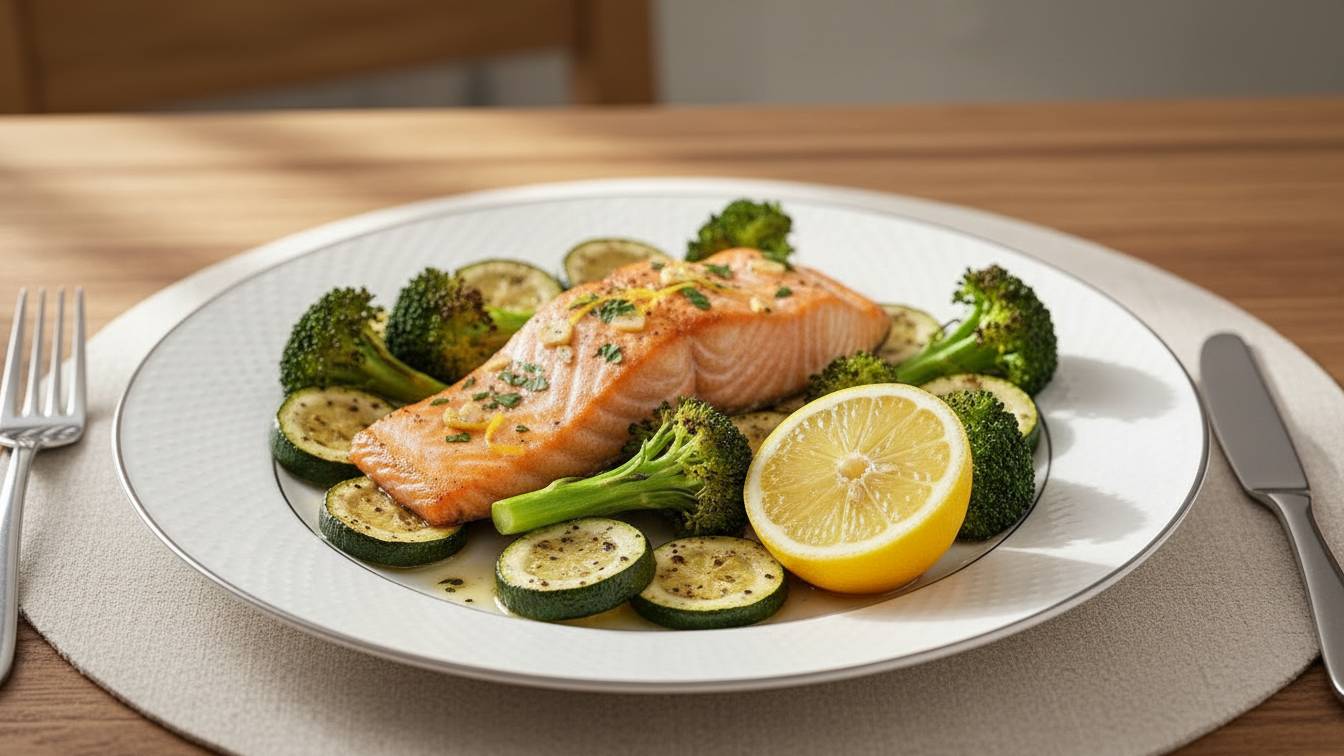
Lemon Garlic Salmon
Salmon provides omega-3 fatty acids that help calm inflammatory pathways, while roasted vegetables add fiber and micronutrients without spiking blood sugar.
View Full Recipe
|
|
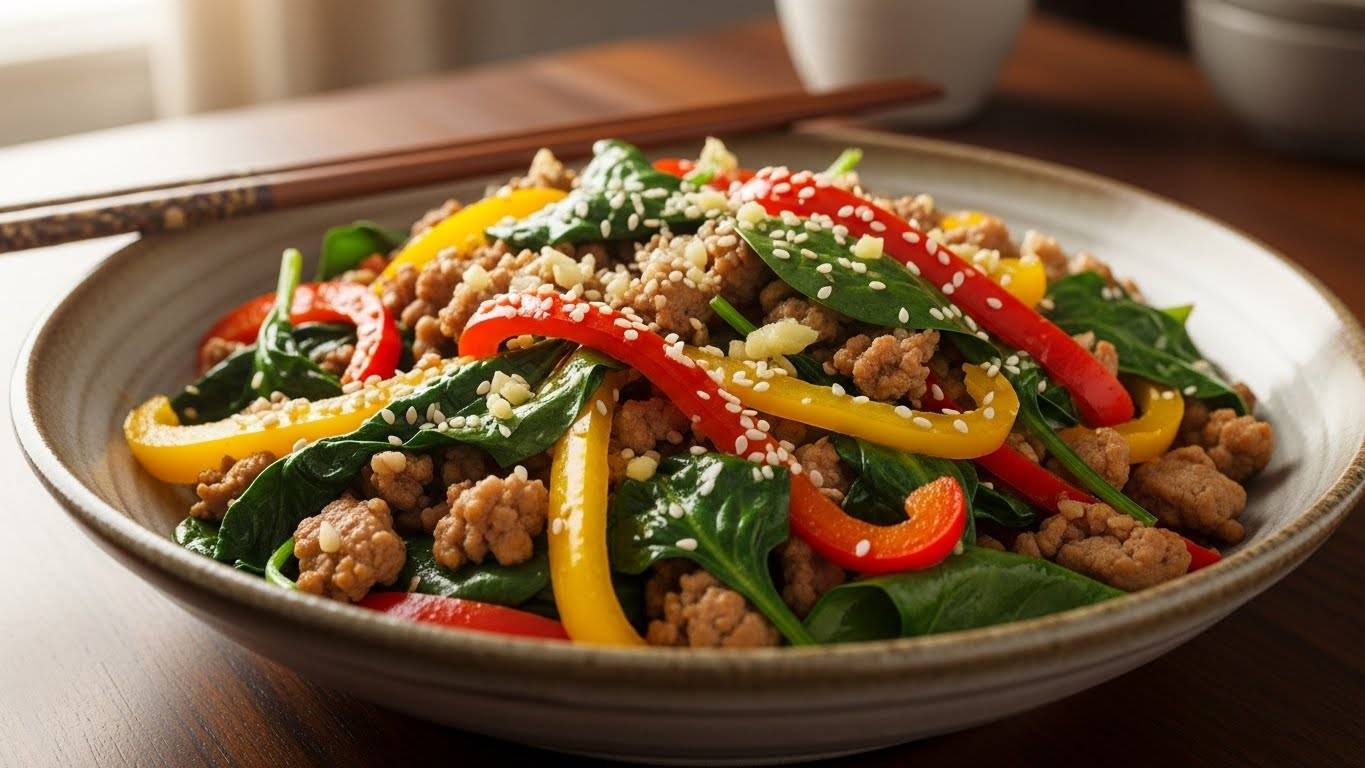
Turkey & Vegetable Stir Fry
Lean protein helps reduce cravings, while ginger supports digestion and inflammation control. Coconut aminos add flavor without the blood sugar spikes of traditional sauces.
View Full Recipe
|
|

Chicken Soup Reset Bowl
Hydrating, mineral-rich, and gentle on digestion. Bone broth supports joint health, while cooked vegetables are easier on the gut during a reset phase.
View Full Recipe
|
Low-Sugar Snacks That Support a Reset
Keep these staples ready
- Hard-boiled eggs
- Turkey or chicken roll-ups
- Plain Greek yogurt or coconut yogurt
- Nuts and seeds in pre-portioned servings
- Protein shake packets with minimal added sugar
- Hummus with cut vegetables
|
|
Better choices when cravings hit
- Apple slices with almond butter
- Greek yogurt with cinnamon and walnuts
- Cottage cheese with cucumber and olive oil
- Bone broth with a pinch of sea salt
- Leftover protein from dinner
|
These snacks keep blood sugar steady and reduce urgency. A little preparation goes a long way.
Your Weekly Nutrition Challenge:
For the next seven days, eat protein first at every meal.
Movement: Reset Without Burning Out
After the holidays, movement is not about jumping back to full intensity.
When routines are disrupted and energy is low, asking too much too soon is the fastest way to stop altogether. This is especially true when you are managing RA.
I am giving myself a lot of grace this week. I normally move most days, but right now I have two workouts scheduled. I know I will complete them. From there, I can build back gradually.
Research on behavior change shows that realistic, achievable goals lead to better follow-through. For RA, this matters even more. Overdoing it early can increase inflammation, prolong recovery, and create a stop start cycle.
What works during a reset
- Choose one to three movement sessions for the week
- Pick options that feel almost too easy to complete
- Base your plan on your real calendar
- Choose movement you genuinely enjoy
|
|
Reset Movement Ideas
- One or two group fitness or strength classes
- Two 20 minute strength sessions
- Three short walks spread across the week
- One yoga session and one strength day
- Ten minutes of mobility on workdays
|
Your Weekly Movement Challenge:
Schedule one movement session you know you will complete.
Mindset: Create a Plan That Protects Your Energy
Resetting your body without resetting your mind rarely works.
A new year creates a natural pause point, but without intention, it passes quickly. You stay reactive instead of deliberate. For people living with RA, this matters. Uncertainty increases stress. Stress increases inflammation. A simple plan reduces both.
You do not need a full roadmap. You only need a clear direction.
Instead of asking:
What should I change this year?
Try asking:
How do I want my days to feel?
When nutrition, movement, and recovery align with how you want to feel, habits become easier to maintain.
Journal for clarity:
- How do I want my energy to feel most days?
- What habits support that energy, and which ones drain it?
- Where did my body feel most steady last year? What was different then?
- What is one small change that would make everything else easier?
Choose one guiding intention for the next few weeks and use it as a filter for decisions.
Your Weekly Mindset Challenge:
Block 20 minutes to plan and choose one small focus for the week.
Research & Reset: Why Most New Year’s Goals Fail and What Works Instead
Every January, motivation is high and expectations are even higher. Research shows this combination is exactly why most resolutions fail.
When too many goals are set at once, cognitive load increases, stress hormones rise, and follow through drops. For people with RA, stress directly affects immune activity, inflammation, pain sensitivity, and fatigue.
Behavior change research consistently shows better results when:
- The goal is narrow
- The action is clearly defined
- The habit is easy to repeat
Instead of overhauling everything, choose one anchor habit for the week.
Examples:
- Eat protein first at dinner
- Attend one scheduled workout
- Plan your week before it starts
- Take a five-minute pause at the end of the day
Small actions done consistently lower stress and support joint health.
Your Weekly Research-Backed Reset:
Choose one goal for the week and define one action that makes it real.
Small actions done on purpose create the biggest shifts.
Your Weekly Recap |
|
- Eat protein first
- Schedule one movement session
- Block 20 minutes to plan
- Pick one simple habit
|
If there are topics you want covered or feedback you want to share, hit reply. I read every message.
New here? The Joint is a weekly note on managing energy, reducing inflammation, and living well with RA.
Read past issues HERE

