You’re Not Imagining It. The Winter Slump is Real.
Are you feeling it too? That drop in energy, motivation, and mood that hits once the holidays end and winter settles in.
I feel it every year. When the trees are bare and the skies are gray, it takes more effort to do the things that normally keep me well. With RA, winter does not just affect mood. It often shows up as more stiffness, deeper fatigue, less movement, and sometimes flares.
Anyone can feel good in summer. Sunlight, warmth, and longer days do a lot of the work for us. Winter is different. Less light, colder temperatures, and disrupted routines quietly drain our energy. Add RA into the mix and that baseline fatigue can become overwhelming.
This week we are focusing on how to support your energy through the darkest stretch of the year without forcing motivation or pushing your body too hard.
Here is what we are focusing on this week:
- Supplements that support winter energy and mood
- Movement that helps instead of drains you
- A simple mindset shift to stabilize mood
- What research says about winter inflammation and fatigue
Let us get your winter blues in check.
Nutrition: Winter Energy Support From the Inside Out
Winter fatigue is not just in your head. It is driven by lower vitamin D, higher inflammation, and unstable blood sugar from seasonal eating and disrupted routines.
This week I am highlighting three supplements with strong research behind them for supporting energy, mood, and inflammation in winter. I also included three simple recipes that help your body absorb and use these nutrients better.
These are the three most evidence-supported supplements for winter energy:
- Omega-3: calms inflammation and supports cellular energy production
- Curcumin: quiets inflammatory signaling pathways
- Vitamin D: supports immune balance, muscle function, and mood regulation
Together these do far more than stimulants or caffeine ever could.
Studies link low vitamin D and omega 3 levels with higher RA disease activity, more fatigue, and more pain. Curcumin has been shown in multiple clinical trials to reduce inflammatory markers and improve joint symptoms in people with arthritis.
Supplement Spotlight
OMEGA-3 (EPA + DHA)
Found in wild fish and fish oil
• What it is: Essential fats that make up your cell membranes and regulate inflammation
• Why it works: Omega 3s reduce inflammatory signals linked to RA pain, stiffness, and fatigue
• How to take it: Aim for 2,000 to 3,000 mg EPA + DHA daily from fatty fish or a high quality supplement
read more→
|
|
CURCUMIN (TURMERIC EXTRACT)
One of nature’s most powerful anti-inflammatories
• What it is: The active compound in turmeric that modulates inflammatory gene activity
• Why it works: Curcumin blocks pathways involved in swelling, pain, and fatigue
• How to take it: 500 to 1,000 mg once or twice daily in a form with fat and black pepper
read more→
|
|
VITAMIN D3
The immune-regulating "sunshine" hormone
• What it is: A hormone like vitamin that supports immune balance, muscle strength, and mood
• Why it works: Low vitamin D is associated with higher RA activity, more pain, and worse winter fatigue
• How to take it: Most people with RA need 3,000 to 5,000 IU daily in winter with food
read more→
|
Before starting new supplements, especially if you take RA medications, talk with your healthcare provider to make sure they are safe for you.
Three Supplement-Rich Recipes
These three recipes make it easy to get more of these nutrients into your day without thinking too hard about it.
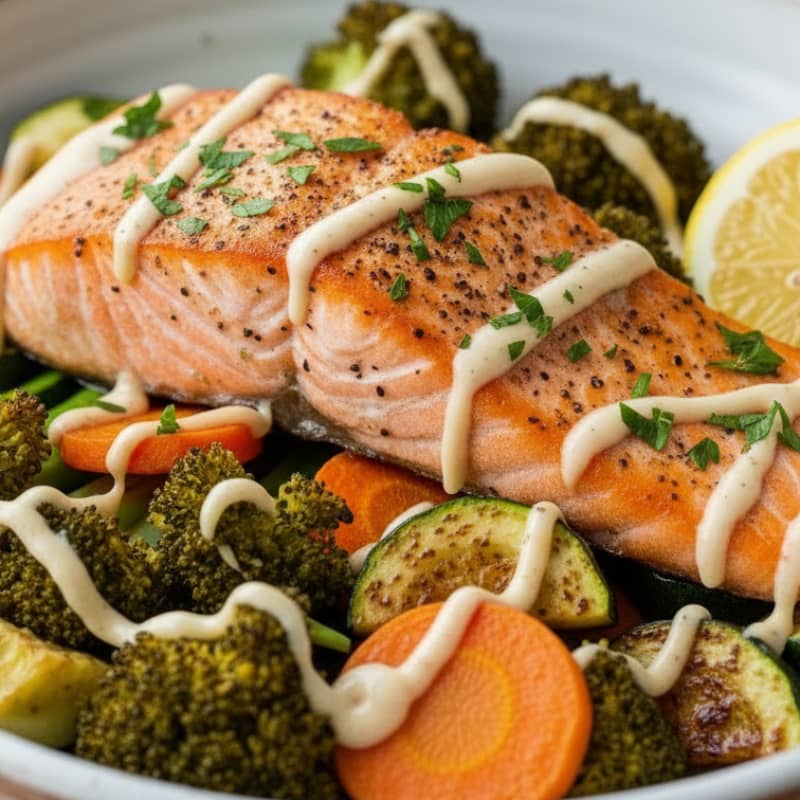
Omega-3 Power Bowl
A deeply nourishing bowl designed to calm inflammation and support steady energy. Wild salmon delivers powerful omega-3s that help reduce joint pain and stiffness while supporting cellular recovery.
Get the recipe
|
|
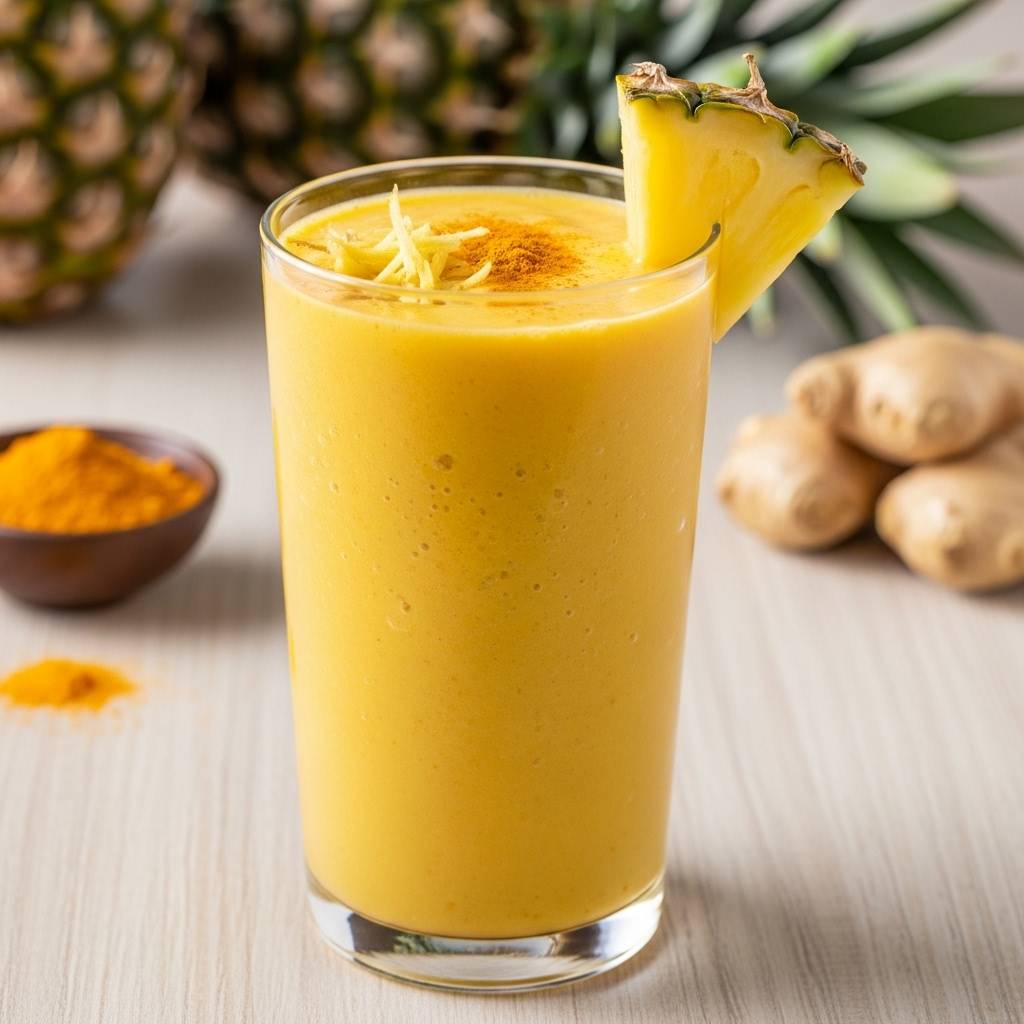
Golden Turmeric Smoothie
A creamy, anti-inflammatory smoothie that helps quiet joint pain and support energy from the inside out. Turmeric, ginger, and healthy fats work together to help lower inflammatory stress and promote daily resilience.
Get the recipe
|
|
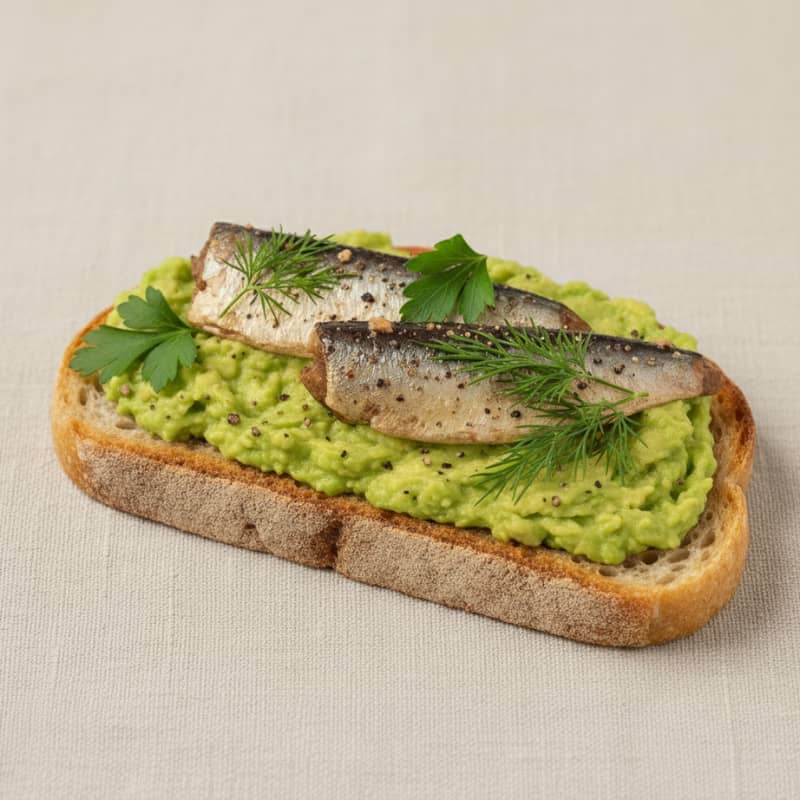
Mediterranean Sardine Toast
A simple, savory toast that delivers one of the best natural sources of vitamin D and omega-3s. This quick meal supports immune balance, bone health, and energy during the winter months.
Get the recipe
|
Your Weekly Nutrition Challenge:
Add one winter energy–supporting food or supplement daily
Movement: Mood-Boosting Winter Movement
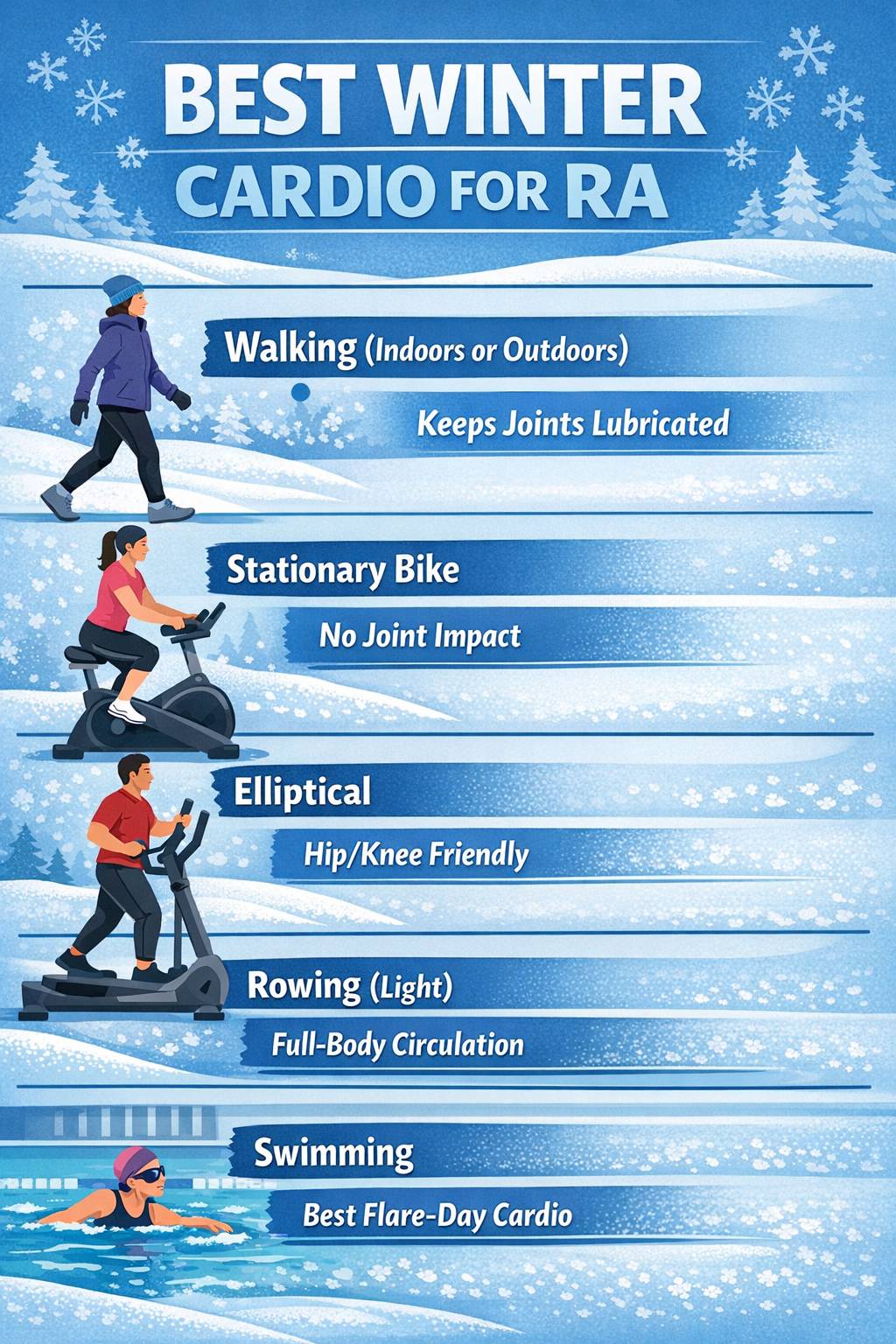
Cold weather makes us want to stay still. The problem is that less movement leads to more stiffness, lower mood, and less energy, especially with RA.
The goal in winter is not intense workouts. It is steady, supportive movement that keeps blood flowing and joints lubricated.
Research shows that light to moderate movement increases endorphins, improves circulation, and lowers inflammatory markers. Even short bouts of movement can improve mood and fatigue.
Some of my favorite winter options:
|
|
• Bundled up walks or short runs
• Snowshoeing or cross country skiing
• Brisk hikes with layers
• Indoor strength, yoga, or mobility work
TIP:
Pair your movement with a reward for a motivation boost. A hot cup of green tea, time with a book, or a cozy recovery ritual can make getting out the door easier.
|
Your Weekly Movement Challenge:
Choose one winter activity you enjoy. Do it once this week and follow it with something that feels comforting.
Mindset: Train Your Brain for Winter
Less daylight means fewer cues for your brain to be alert and active. Dopamine and serotonin fall. Mood flattens. Energy dips. This is especially noticeable if you live with chronic fatigue or RA.
The most effective winter mindset practice is not positive thinking. It is daily activation.
That means choosing one small, predictable action that tells your nervous system, I am still engaged with life.
Examples:
- A short morning ritual
- A scheduled walk or stretch
- A sensory cue like music, warmth, or light
Consistency matters more than intensity. Your brain responds to repetition.
Instead of asking “Why am I unmotivated?” ask “What is my one daily winter anchor?”
Your Weekly Mindset Challenge:
Choose one simple activation anchor and practice it daily.
Research & Reset: Why Winter Hits RA Harder
Lower sunlight affects circadian rhythm, hormone balance, and inflammation. Studies link low light exposure to reduced vitamin D, altered serotonin levels, and higher inflammatory markers, all associated with fatigue and pain.
Research shows that people with inflammatory arthritis report more symptoms and fatigue during darker months.
That is why light is literal medicine in winter.
Simple ways to use it:
- Get natural light within an hour of waking
- Sit near a window in the morning
- Take outdoor breaks earlier in the day
This is not about doing more. It is about supporting the systems that regulate energy.
Your Weekly Research-Backed Reset:
Get outside or sit near natural light within one hour of waking every day.
Your Weekly Recap
|
|
- Add one daily supplement
- Do one winter movement session
- Practice one daily anchor
- Get morning natural light
|
Winter does not require you to push harder. It asks you to support your biology a little more.
Small changes, done consistently, can make this season feel much lighter.
Have a topic you want covered or a question you want answered? Hit reply. I read every message.
New here? The Joint is a weekly note on managing energy, reducing inflammation, and living well with RA.
Read past issues HERE

